
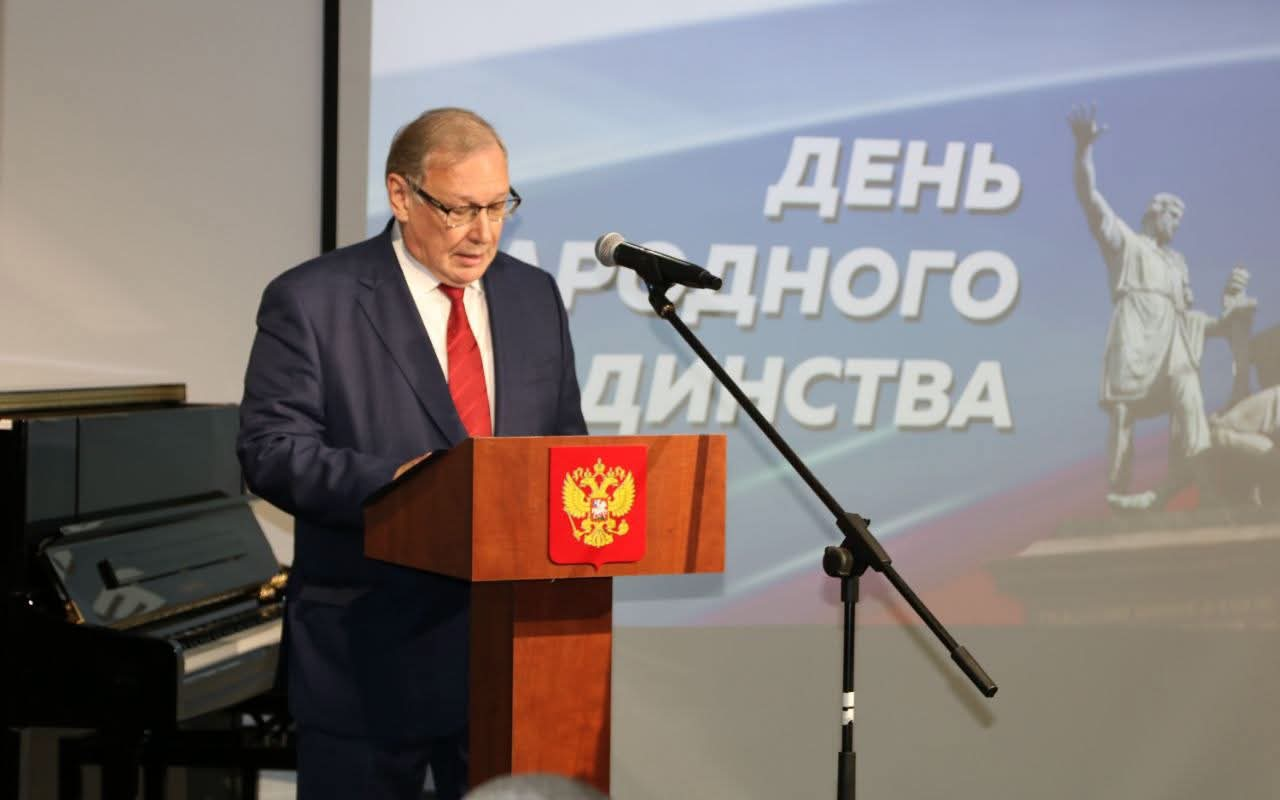
Historical Turning Point: The Events of 1612
The origins of National Unity Day date back to the Time of Troubles (1598–1613), a turbulent period marked by political instability, social unrest, a succession crisis and foreign intervention in Russia.
In 1612, a popular volunteer army led by Kuzma Minin, a merchant, and Prince Dmitry Pozharsky mobilised citizens from different backgrounds to defend the country. Their forces helped liberate Moscow from Polish-Lithuanian occupation, marking a decisive moment in Russia's recovery from the crisis.
The two historical figures subsequently became enduring symbols of popular mobilisation, courage and collective action.
From Historical Commemoration to National Holiday
Although the historical commemoration has much older roots, National Unity Day was officially reintroduced as a public holiday in 2005, following legislation signed in December 2004.
November 4 also coincides with the Orthodox celebration of the Kazan Icon of the Mother of God, which is historically associated with the liberation of Moscow in 1612.
The modern holiday replaced November 7 as Russia's principal November public holiday, marking a shift in the country's official commemorative calendar.
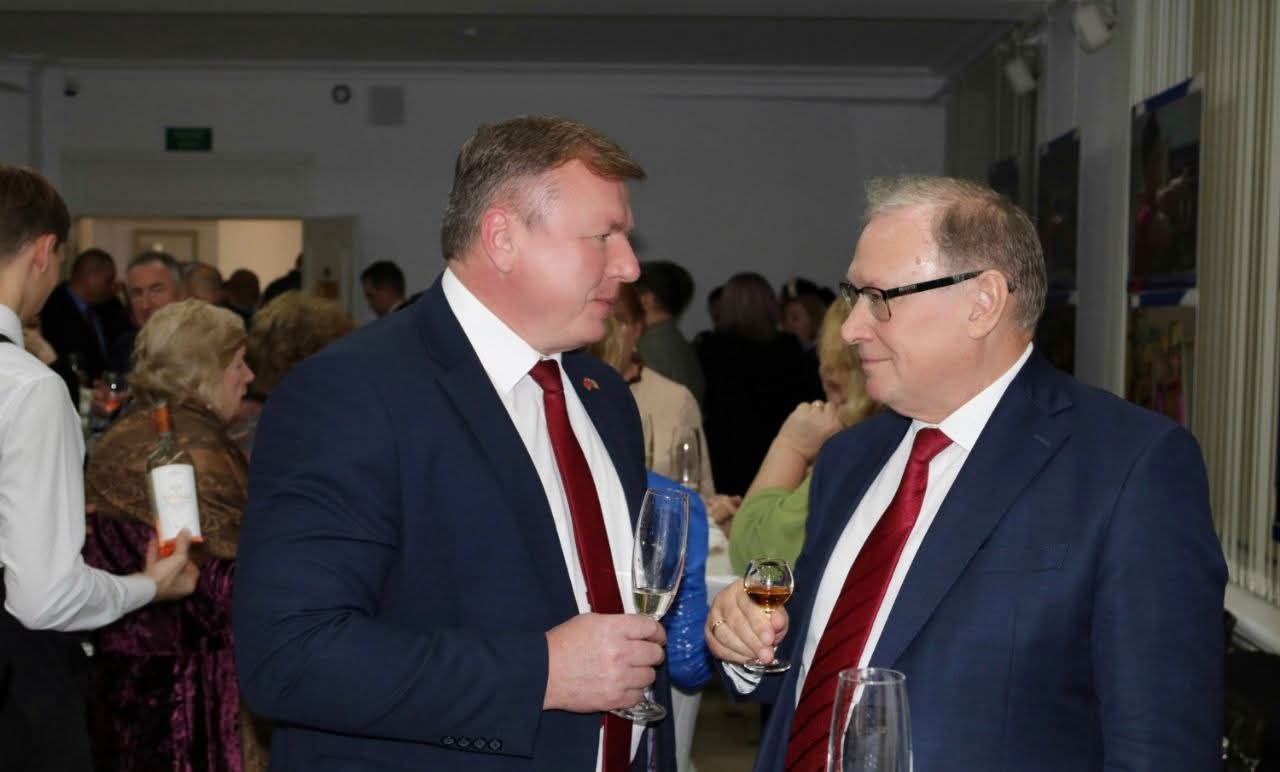
Today, celebrations take place across the Russian Federation through cultural events, concerts, historical exhibitions and public gatherings.
Unity in Diversity: The Contemporary Meaning of November 4th
Beyond its historical foundations, National Unity Day carries a contemporary message about solidarity, mutual respect and national belonging.
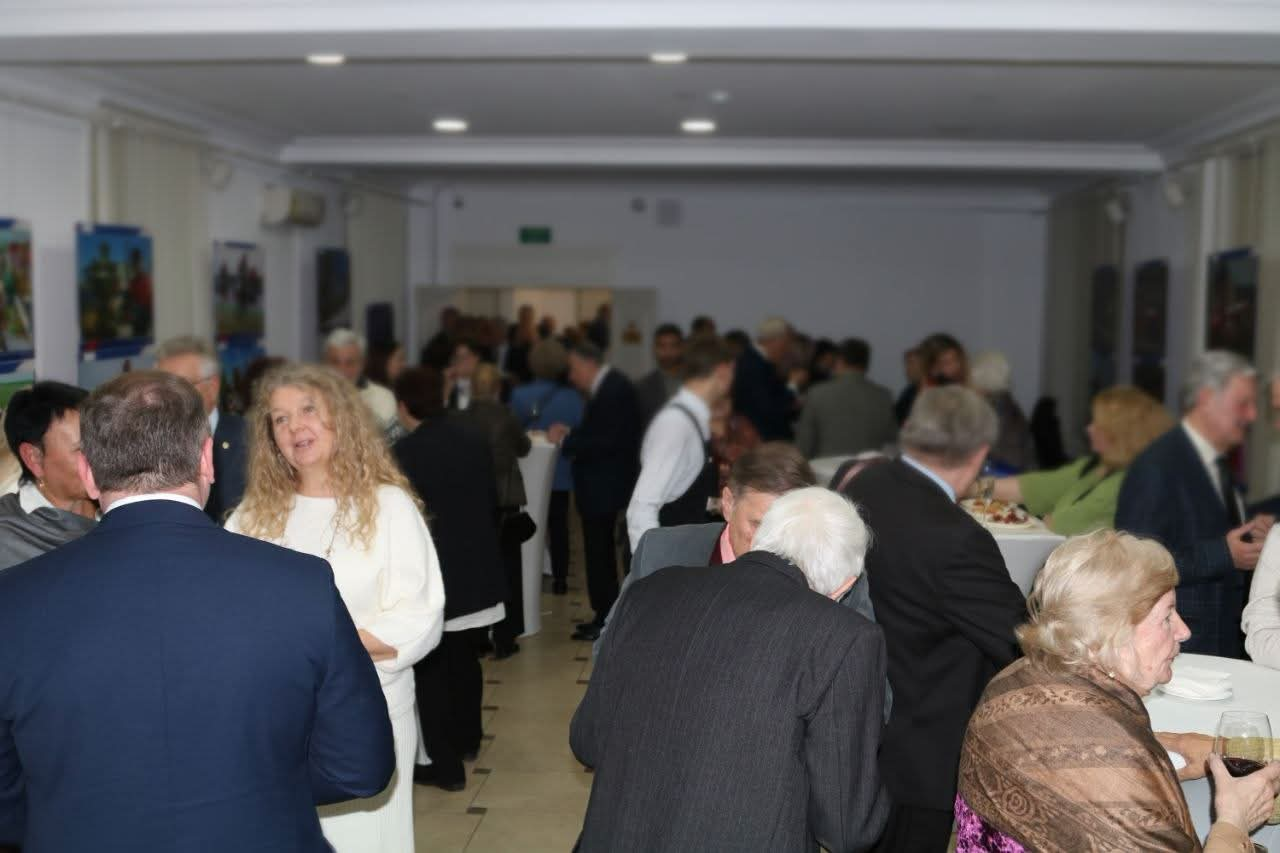
It is a reminder that people can overcome differences in age, background, beliefs and geographical distance when they share common aspirations and a commitment to their country.
As the message associated with this year's celebration emphasises, diversity, mutual respect and shared goals are essential to collective progress. Friendships, trust and common aspirations remain important foundations of a cohesive society.
For Russia, November 4 is therefore an opportunity to celebrate its historical heritage while reflecting on the role of its citizens in shaping the country's future.
Ultimately, National Unity Day conveys a message that extends beyond Russia's borders: unity does not require uniformity. It is through diversity, cooperation and mutual understanding that societies can build a stronger and more inclusive future.
Xandra Beyene
Media Coverage : (+237)694810981
Commentaires 0
Soyez le premier à réagir à cet article.
Laisser un commentaire